Welcome to Wiseblood 2.0

Welcome to Wiseblood 2.0
Disruption has become a constant for our communities and for the mission-driven organizations doing difficult work to shift thinking, change behaviours, create better policies, and dismantle the broken systems that surround us.
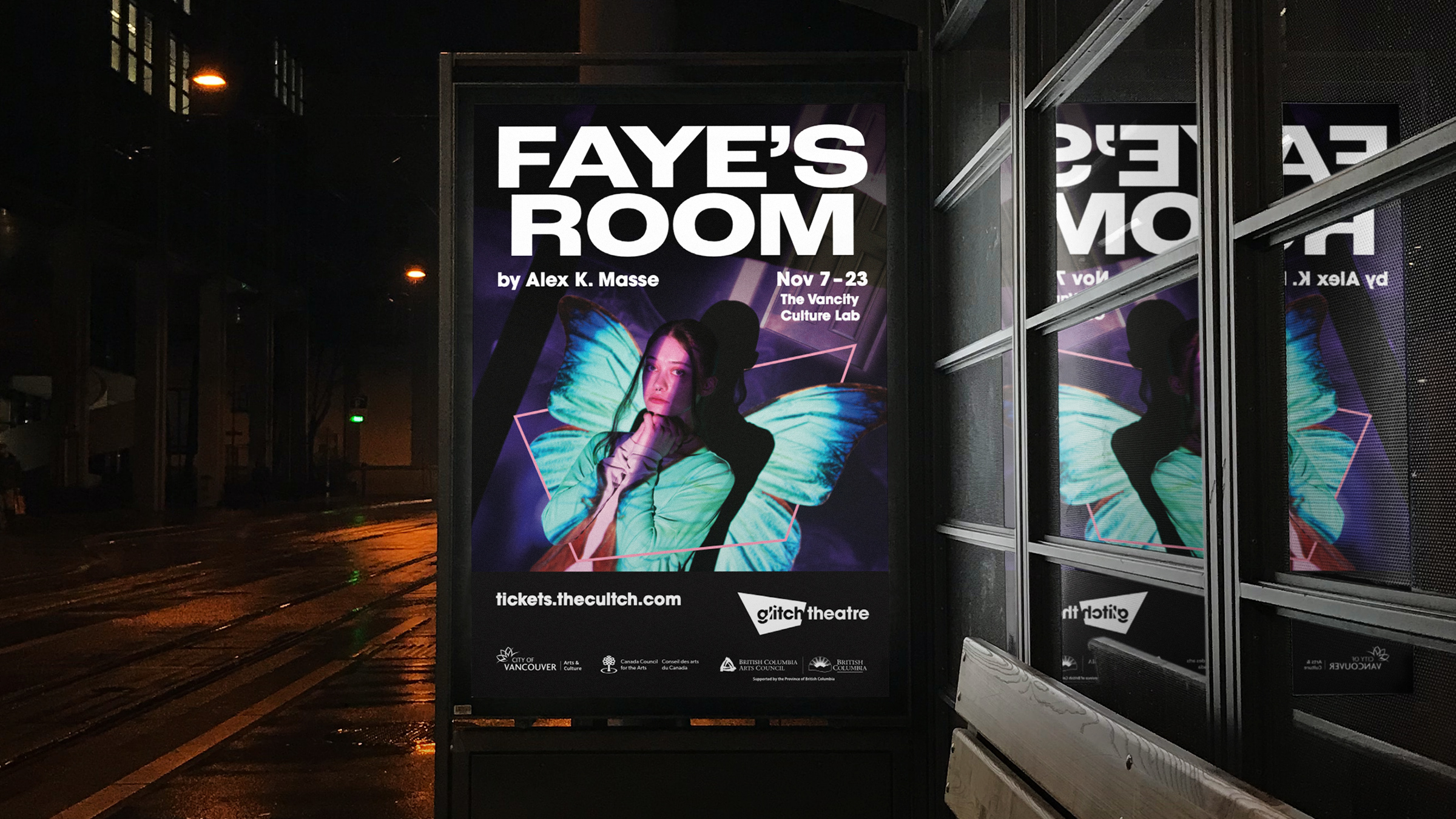
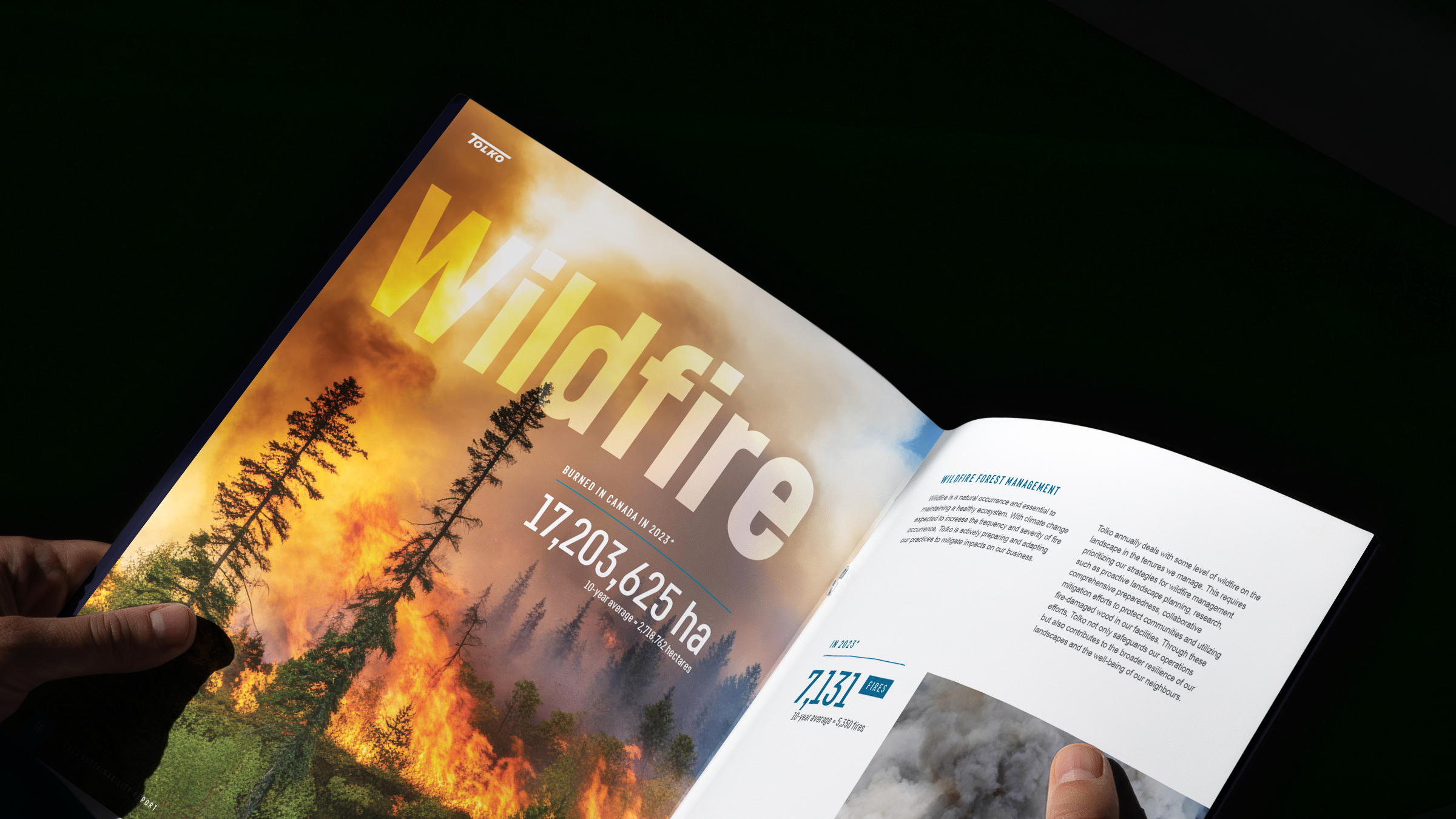
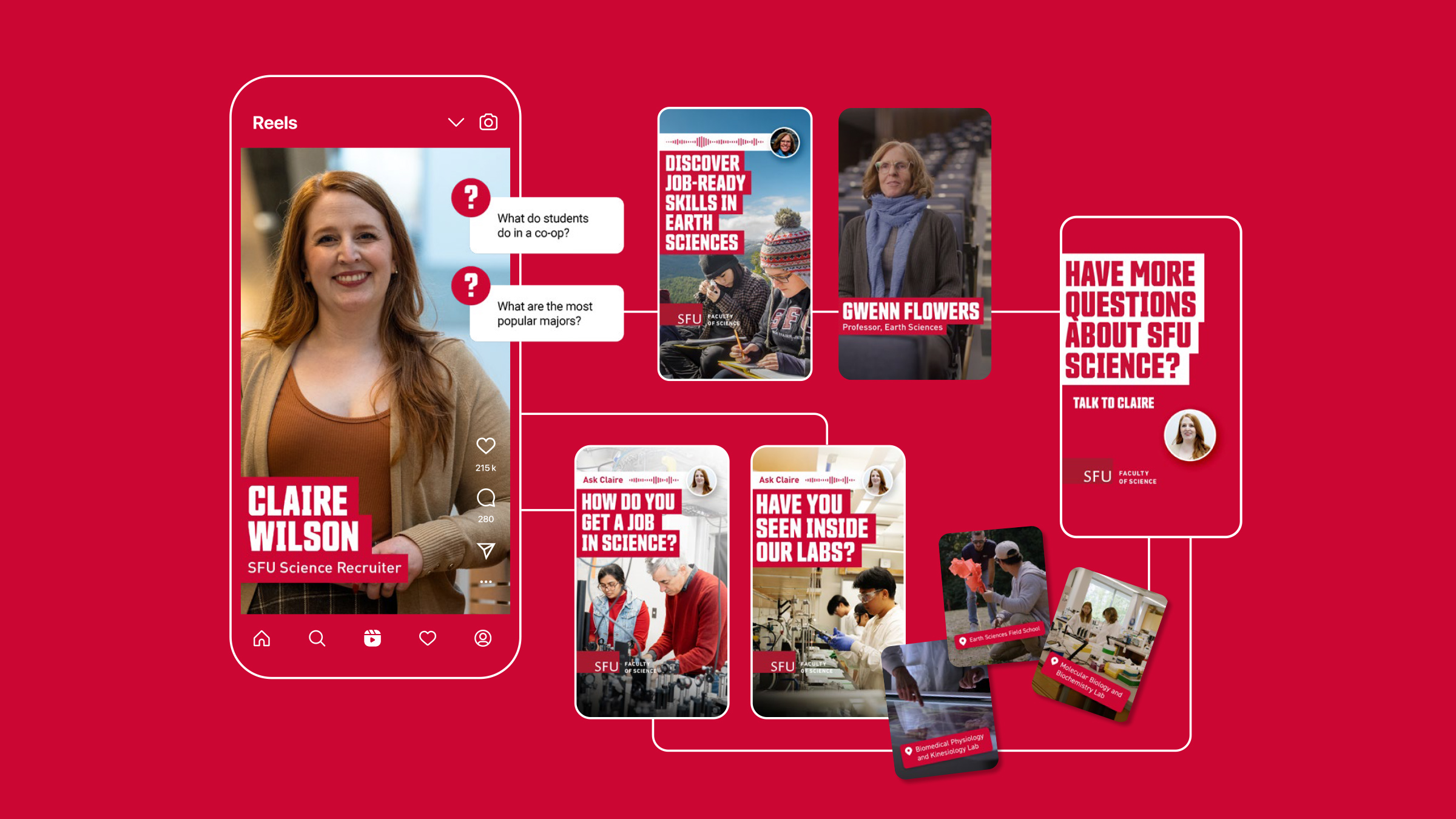
We see these people everywhere in our work. A small team navigating structural barriers, limited funding, and big ideas to make theatre more accessible, inclusive and art-forward for people with disabilities. A forestry company pursuing innovative sustainability upgrades and community investment while trade tariffs pressurize its market. A university department searching for the story to inspire young minds with hope and passion for their future amid declining enrollment, austerity funding, and evolving algorithms. A nonprofit with a big idea who needs the data and the message to land a big-bet investor with the power and purpose to change the system of food security at scale.
This is today’s work, for those brave and courageous enough to dream and to dare: challengers, underdogs, David vs Goliaths, even lethargic large institutions, all who are pushing against the odds to do what others can’t or won’t.
And these are our clients. Organizations in education, health, public service, and social impact, all operating in irreducible complexity, with multiple audiences and interest holders, navigating layered partnerships, and who are working toward outcomes that resist easy measurement. They face stretched teams, polarizing issues, and communities that require genuine bridge-building. Their organizations are as complex as the issues they address, yet they do critical work.
In 2025 Wiseblood turned 5, a milestone nearly 50% of all businesses never reach. We used the occasion not to celebrate but to interrogate: how can we better serve the people, organizations and institutions doing the most difficult, meaningful work to make life better?
We looked back across five years of work to find patterns across education, health, public service, nonprofit and social impact, and challenged ourselves to reimagine how we can be a better partner in these efforts. Here’s what we found.
Who are you?
The single most consistent observation we've made across nearly every client is this: for mission-driven organizations leading system-changing work, there is often a gap between what the organization is or does and what it can say about itself.
These organizations are mission-rich and language-poor, doing complex work inside complex structures, for audiences who don't yet understand them. They're constrained by stretched teams, polarizing issues, and need genuine bridge-building.
Over the years, our clients have exhibited the same pattern of problems, knocking on our door with a communications challenge. Pull the sheet from the ghost, like Velma in Scooby Doo, and underneath is a profound organizational challenge: a fractured identity, misalignment, and the resulting muddled messages.
This often stems from mission drift, leadership changes, evolving mandates, new programs and projects, increased service demand, changing demographics, new commitments, and new tools and technologies. Communication problems are symptoms of organizational flux.
But in our current landscape the stakes have never been higher, nor the timing more urgent.
When money is scarce, trust is currency. Anxious funders need evidence. Leadership needs quick pivots. Communities demand to be heard. When organizations attempt to justify themselves in terms funders recognize, partners require, and communities trust, their narratives can crack under scrutiny.
Organizations often launch a multiplicity of messages, hoping one will land. Or worse, they double down on the safe, risk-free, sanitized story and language. The elevator pitch takes 20 minutes and an advanced degree to understand. Jargon permeates and obfuscates. Ten rounds of review and revision before messages are approved or abandoned. Boards and funders ask for clear reports; impact data doesn't fit neatly on a spreadsheet. Communication tactics take longer to complete because everything has to be created from scratch. Nobody understands, internally or externally.
What emerges is fractured identities, empty rhetoric, burned-out teams, frustrated leaders, and missed opportunities. Trust isn't won overnight. You cannot rescue organizations that don't know who they are, what they do, or where they are going by overhauling status-quo communication strategies with look-alike rhetoric.
Declining trust:
- Technical experts and academics rank at 65-64% credibility; government officials sit at 38%. 1
- 9,000+ North American higher education sector positions cut in 2025. 2
- 65% of nonprofit leaders naming general revenue as their greatest concern amid funding pullbacks. 3
- 88% of Canadian charities cited financial uncertainty as a major concern in 2025, up from 82% the year before. 4
- 35.2% increase in forestry tariffs on softwood lumber, with industrial capacity utilization declining roughly 10 percentage points to 75%. 5
The Fix: Creating A Sense of Self
What these organizations need is a sense of self: grounded clarity about who they are, why they exist, and how they operate in service of their mission, before the tactical interventions can be meaningful.
The organizations that know themselves communicate from the inside out: their purpose is easily understood, their values define how they show up, and they use their capacity for transformation rather than transactions.
Institutions that surface their people, researchers, clinicians, educators, change makers, set the groundwork for relationships and opportunities. They show up differently because they know trust is relational, person to person, long-term commitment, not just campaigns and key messages.
Wiseblood 2.0: The Way Ahead
To build a better Wiseblood, we rallied around a simple idea:
Mission-driven organizations need better partners. Partners who share their values, and their desire for change. Partners who understand them, their cultures, their challenges, and their capacity. Partners who understand the complexity they navigate, who won't pretend that communication can solve structural problems, and who will equip them to sustain the work over the long term.
In Wiseblood 2.0, we explicitly deliver strategy-first, relationship-based, authentic communication for stronger organizations, stronger stories, system-changing impact.
Beyond message to meaning. We uncover the real strengths in your communities and the true stories you can't see from inside. We translate what's distinctive about your work into clear, compelling positioning and evidence-based messaging that actually sticks.
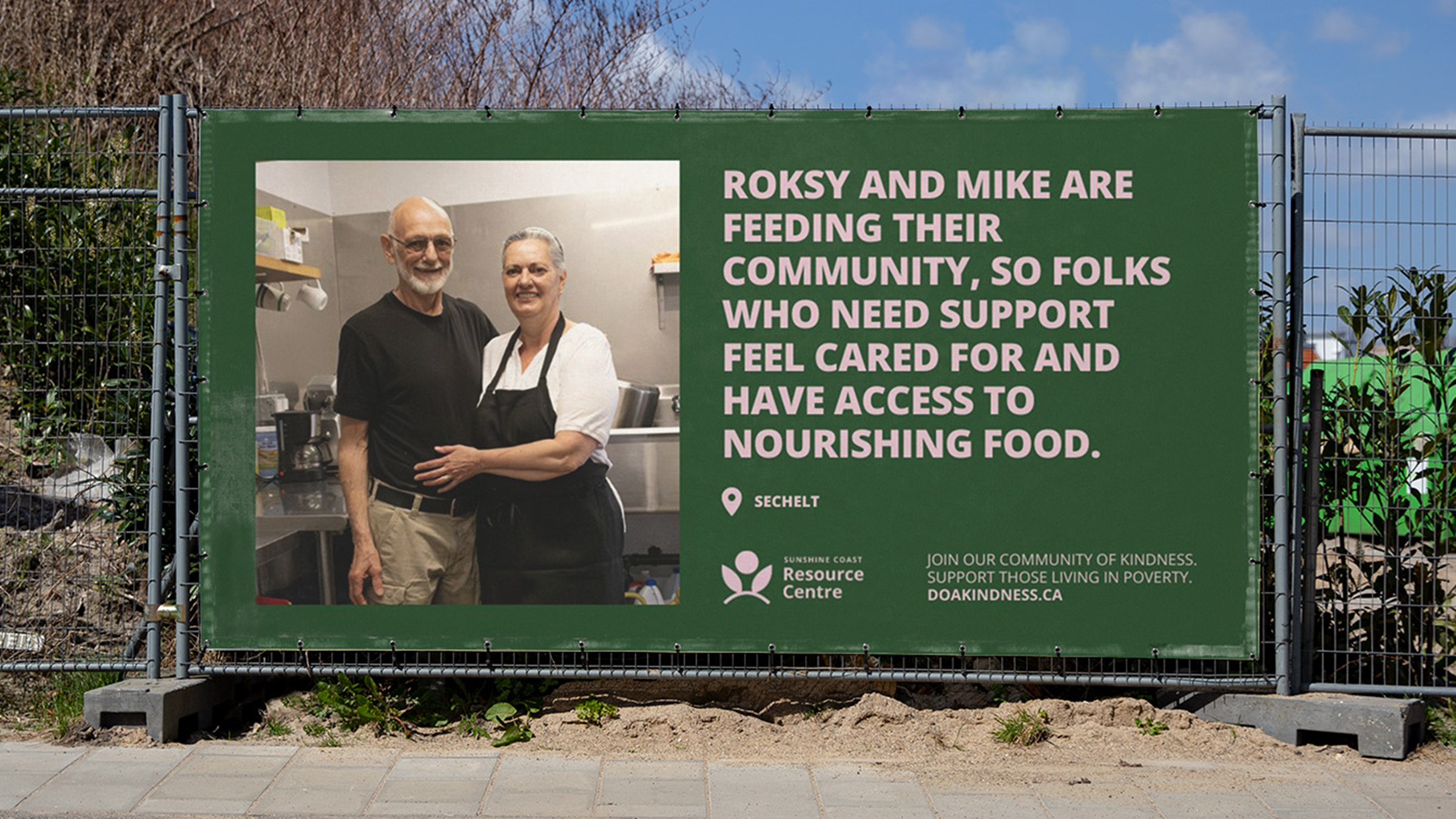
Beyond visual identity to institutional identity. The real value isn't a prettier logo or better talking points—it's alignment. We help your team understand what you actually are, get on the same page about it, and build decision-making frameworks that enable a stretched team to sustain the work over time.
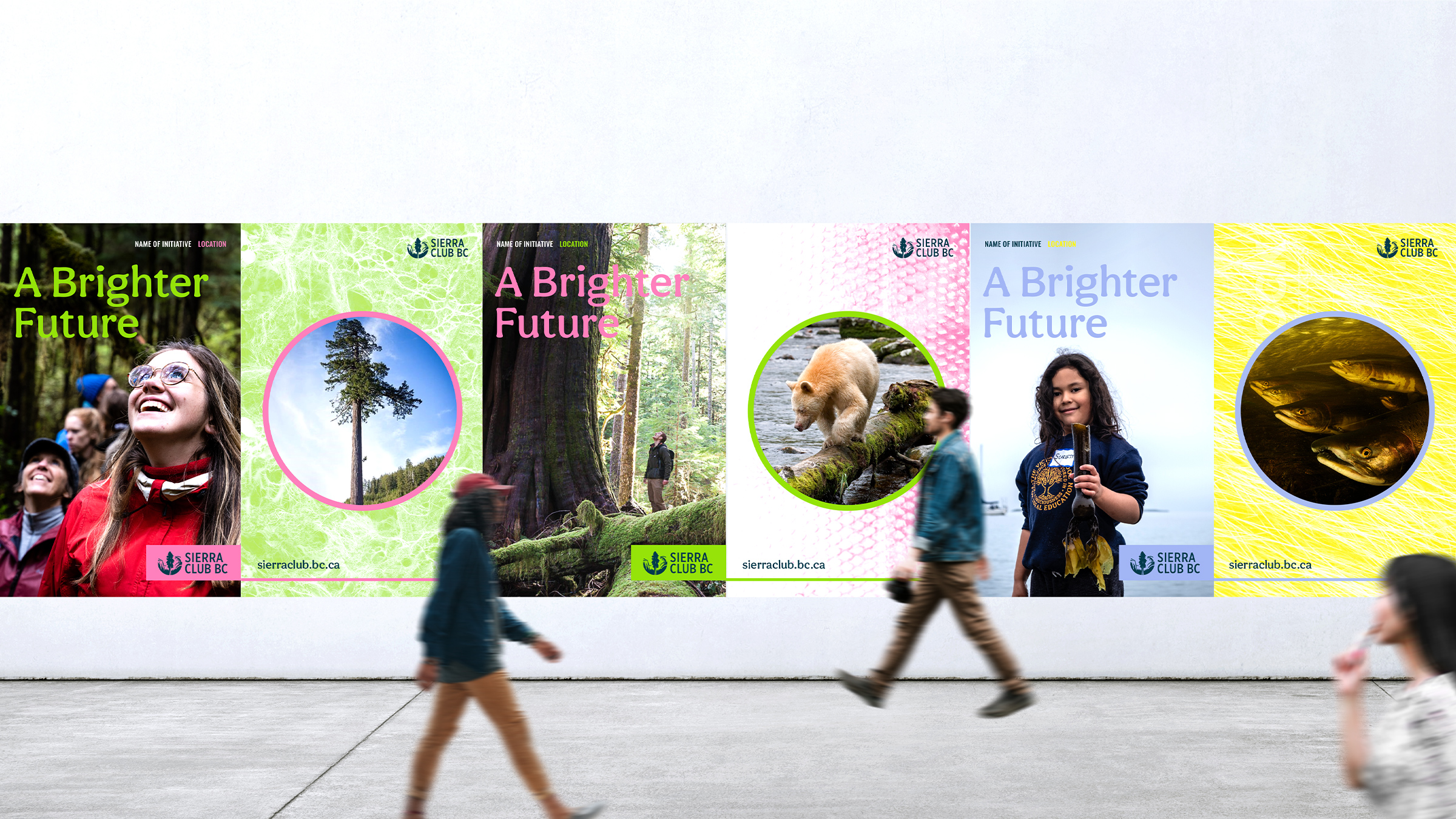
Beyond brand campaigns to system change. We work with coalitions and partnerships to strengthen the public-private collaboration that actually changes broken systems. We frame the problem clearly, build the case for support, and design the engagement and partnership strategies that pair what you are with the capacity to achieve your goals.
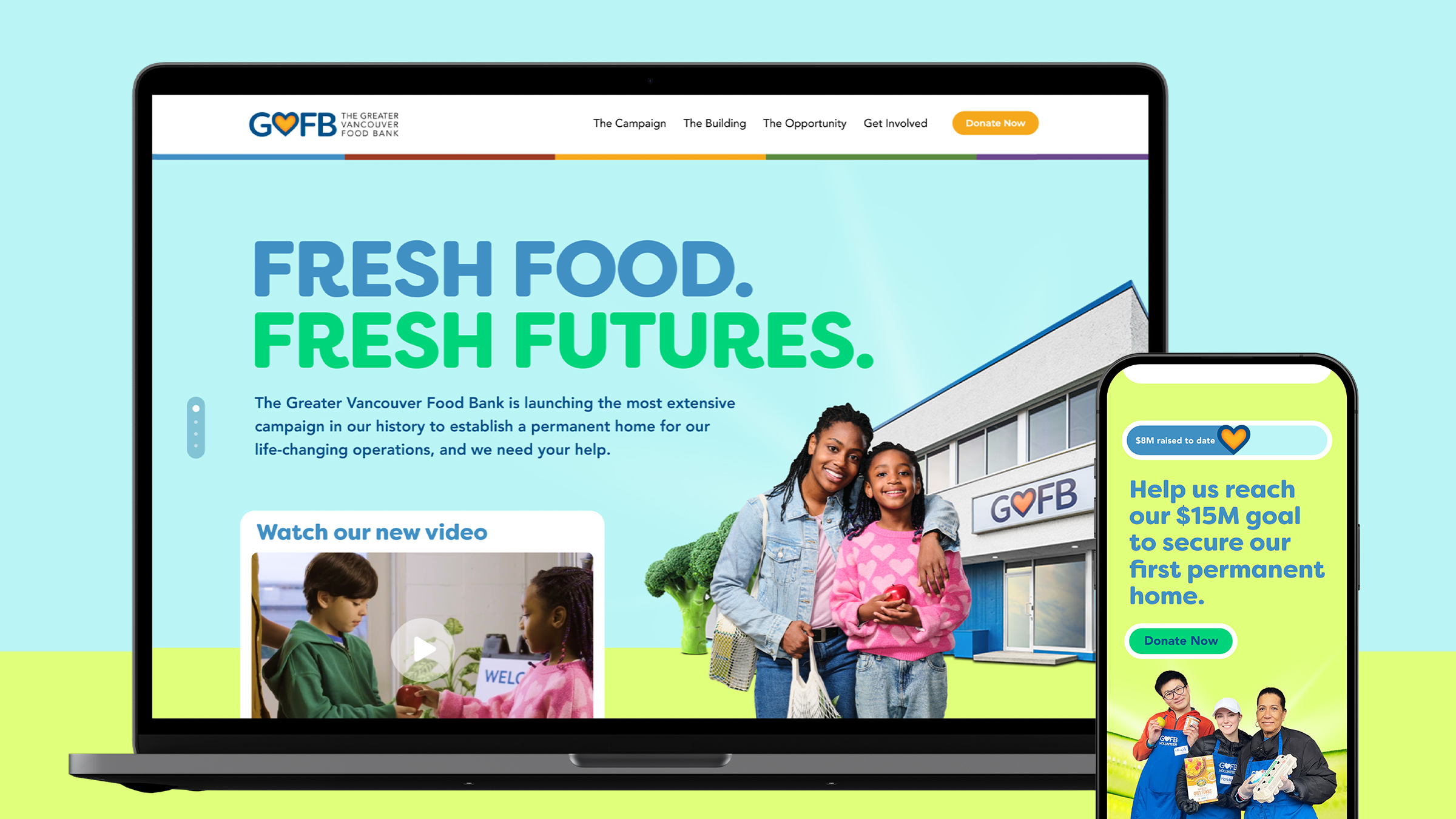
At Wiseblood, we start upstream, where the largest and most fundamental barriers and roadblocks exist. This means creating and supporting new models of partnership and collaboration, building bridges across aisles, creating partnerships where once-adversarial parties find common ground, helping historically challenged sectors embrace meaningful change, reimagine social infrastructure, and change policies. We shorten the distance between communities that know what they need and an organization’s mechanisms for listening, collaboration, and co-creation. We create strategies that transcend a clever headline and sophisticated design to open doors that have historically remained closed.
Building a Better Society, From Head to Heart
Bring us your toughest challenge. We’ll work upstream with the people closest to the problems, tackling them together, working across aisles and silos, pushing uphill, removing roadblocks, and challenging broken systems to be better. Together, we’ll turn adversaries into allies. Bridge the gulfs. Widen the way. Work alongside those who share these values.
We'll help create healthy, connected communities, where all people have the opportunity for a good life—no matter where they come from, what abilities they have, who they love, or what struggles they face.
We'll join you in the difficult, ugly, sometimes painful and challenging work—because that's the work that's most urgent.
Let others sell cereal, cars, and beer brands.
This is the work Wiseblood was always meant to do. Here's to the next five.
Sources:
1 Edelman Trust Barometer Canada 2025, Edelman Trust Barometer Canada Report, 2025
2 Goldie Blumenstyk, "December Cuts Close Out Brutal Year for Sector," Inside Higher Ed, January 6, 2026, https://www.insidehighered.com/news/business/cost-cutting/2026/01/06/december-cuts-close-out-brutal-year-sector
3 Thi Kim Quy Nguyen, "Between a Rock and a Hard Place: Charities' Biggest Concerns and Priorities in 2025," Charity Insights Canada Project, Carleton University, Feb. 27, 2025.
4 Charity Insights Canada Project, "Between a Rock and a Hard Place: Charities' Biggest Concerns and Priorities in 2025," Carleton University, February 2025
5 RBC Economics, "Decades of trade disputes reshape Canada's softwood lumber sector," April 3, 2026, https://www.rbc.com/en/economics/canadian-analysis/featured-analysis/insights/decades-of-trade-disputes-reshape-canadas-softwood-lumber-sector/; Tree Frog Creative, "US tariffs disrupt global forestry trade flows," April 8, 2026, https://treefrogcreative.ca/us-tariffs-disrupt-global-forestry-trade-flows/